

Deep Dive into Search Engine Indexing: How Data is Organized and Stored
Once search engine crawlers discover and read web pages, the next critical phase in search engine optimization (SEO) is indexing.
What is Indexing?
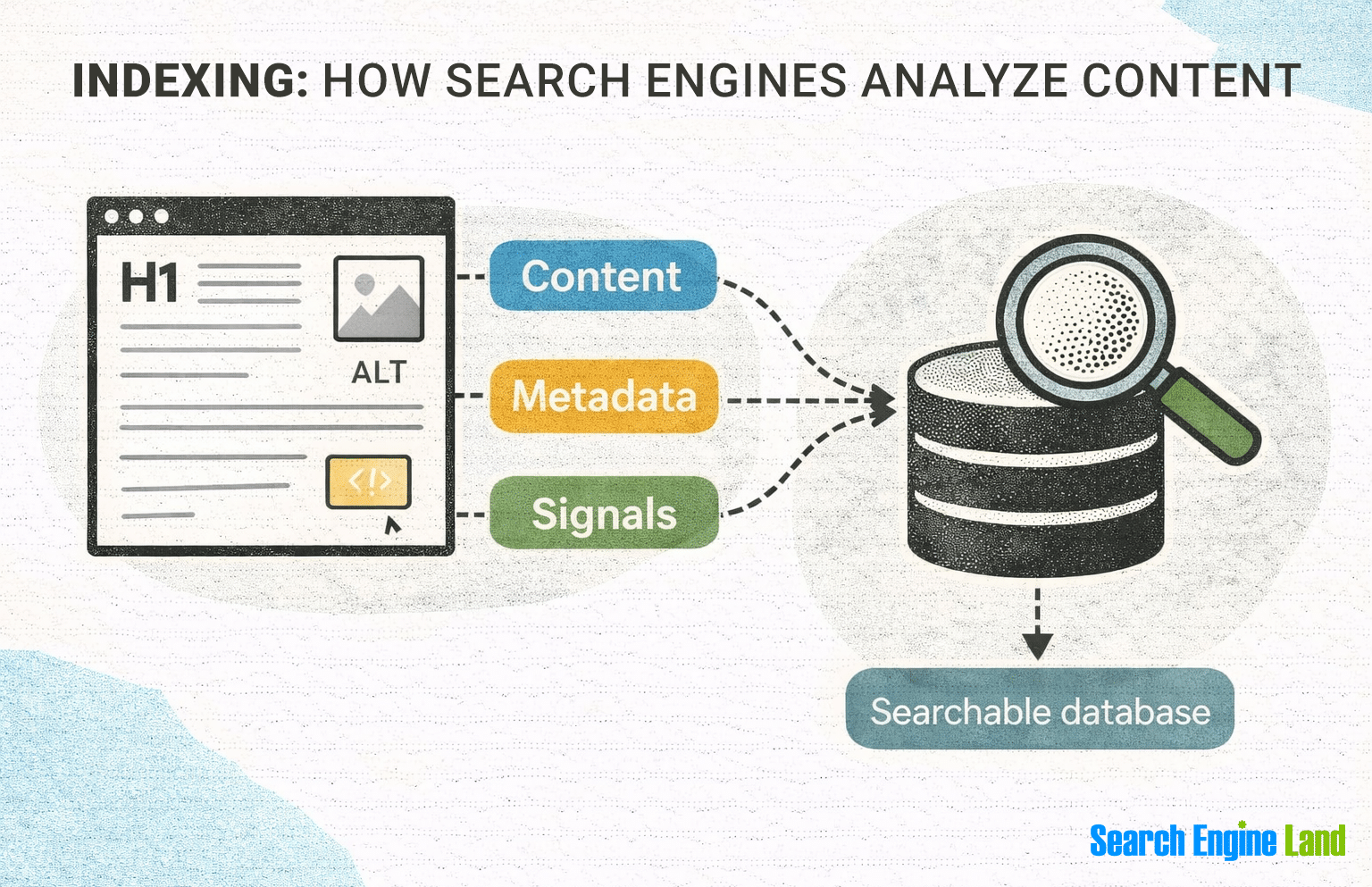
In simple terms, indexing is the process where all the collected data is organized and stored in a massive database (often referred to as the search engine’s index). Think of it as a gigantic digital library catalog that holds billions of pages, making it possible for search engines to retrieve information in milliseconds when a user searches for something.
How the Indexing Process Works Behind the Scenes
- Data Processing: After a crawler fetches a page, the search engine analyzes its content, including text, images, videos, and key HTML tags (like title tags and meta descriptions).
- Database Storage: The parsed information is categorized, indexed, and securely stored in massive, distributed databases across global data centers.
- Readiness for Ranking: Once a page is successfully added to this database, it becomes eligible to be sorted by ranking algorithms whenever a user enters a query.
Best Practices to Ensure Your Pages Get Indexed
If your pages aren’t indexed, they won’t appear in search results—no matter how great your content is. Here is how you can ensure search engines successfully index your site:
- Avoid Blocking Crawlers: Ensure your
robots.txtfile ornoindexmeta tags aren’t accidentally hiding your valuable pages from search engine bots. - Submit an XML Sitemap: Make it easy for search engines to find and index your latest updates by submitting a clean XML sitemap via Google Search Console.
- Fix Duplicate Content: Use canonical tags to tell search engines which version of a page is the original to prevent indexing confusion.
- Optimize Page Performance: Fast-loading, mobile-friendly websites help search engines process and index pages much more smoothly.